
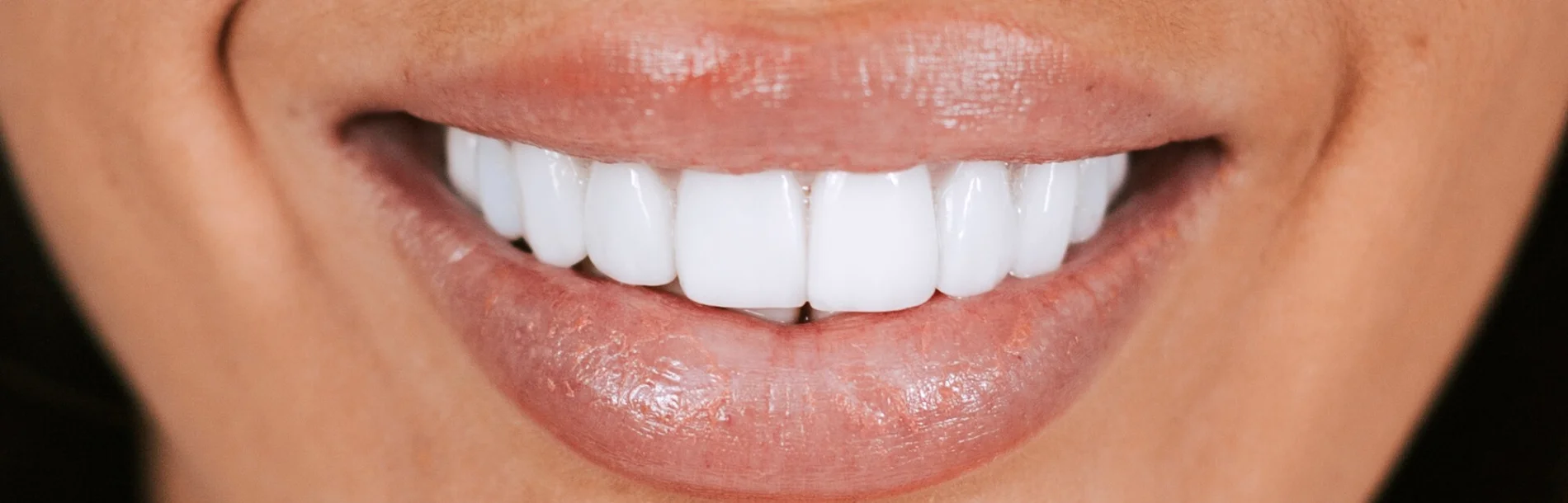
As dentists, one thing we hear quite often is, “I don’t know exactly what’s wrong with my teeth, but I don’t like how they look in pictures.” That feeling is usually not related to a single issue. Here is the point we start considering veneers: when several cosmetic concerns affect the front teeth at the same time. So, do you feel there is something wrong with your teeth? Then, you might need a consultation.

Bonding is frequently used for smaller cosmetic corrections: a chipped front tooth, a minor gap, or a small uneven edge. Many patients choose bonding because it is conservative and practical. In suitable cases, bonding helps us achieve noticeable changes while preserving most of the natural tooth.
After deciding on getting veneers, we usually come to choosing between porcelain veneers and composite veneers. This is a source of confusion for many patients. What are the differences, and who is a good candidate for each one? The table below gives a quick outline:
Porcelain Veneers | Composite Veneers | |
Material | Custom-made porcelain made in a dental laboratory | Tooth-coloured composite resin applied directly to the tooth |
Number of Appointments | Usually two or more visits | Often completed in a single visit |
Appearance | Reflects light in a way that closely resembles natural enamel | Can look very natural, although the surface may change over time |
Stain Resistance | Less likely to stain from coffee, tea, and similar beverages | More likely to pick up stains over the years |
Durability | Generally, more resistant to wear and chipping | More susceptible to wear and small fractures |
Repairs | Damaged veneers often need replacement | Small chips can often be repaired directly |
Cost | Higher | Lower |
Longevity | Typically lasts longer under similar conditions | May require maintenance or replacement sooner |
One question we hear quite often is how much work is actually required before veneers are placed. The veneer process is usually completed over two or more appointments. To have a general overview of the whole process:
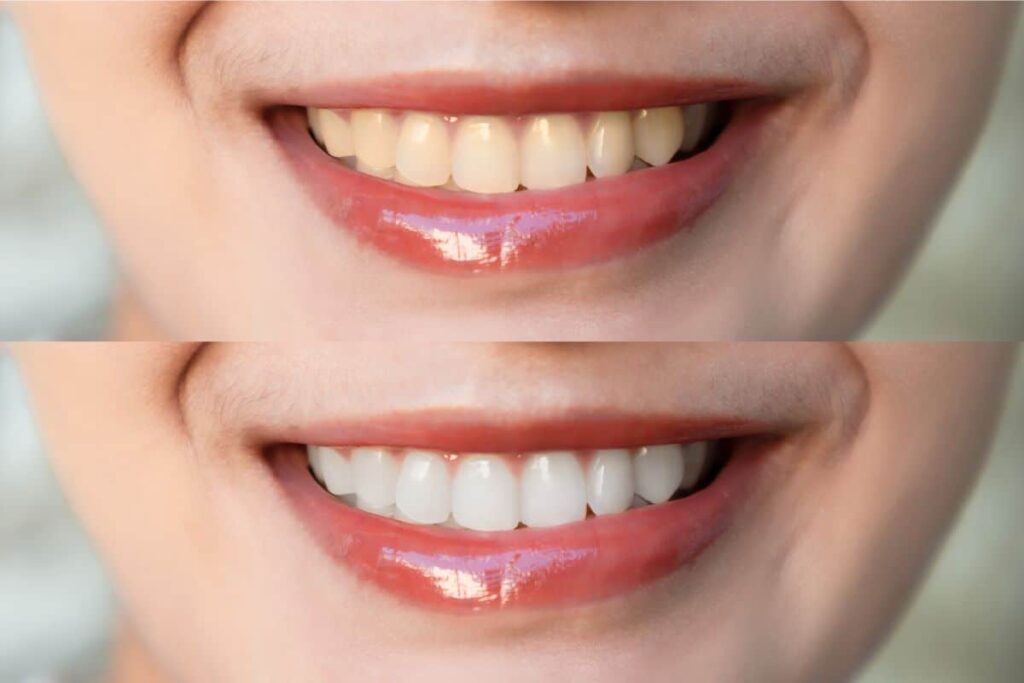
This is the part patients usually ask about most. The question is usually some version of: “How much of my tooth has to be removed?” The answer depends on the starting point. A tooth that already sits further forward may require more preparation than a tooth that is slightly set back. Once the teeth are prepared, impressions or digital scans are taken for the laboratory.
The final appointment is usually the shortest part of the process. Before bonding anything permanently, we place each veneer on the teeth for evaluation. If adjustments are needed, they are made before bonding.
Porcelain veneers do not require special cleaning products, but they should be maintained like natural teeth. Our general recommendations include:
The cost of porcelain veneers varies from case to case. Factors that influence pricing include the number of veneers, the complexity of treatment planning, laboratory fees, and whether your case needs additional dental work before veneer placement. During your consultation session, we can design a treatment plan with a detailed cost estimate. Financing options may also be available for eligible patients who prefer to spread treatment costs over time.
Asking about veneers doesn’t necessarily end in getting veneers. There are situations where another treatment may be more appropriate. There are also cases where the changes a patient wants are smaller than they initially thought. That is why we recommend a consultation first. To schedule an appointment, contact our North York clinic by phone or use our online booking form.
Many porcelain veneers last 10 to 15 years or longer. The final lifespan depends on your oral hygiene, bite forces, grinding habits, and routine dental care.
Because veneers are generally considered a cosmetic treatment, many plans provide limited coverage or no coverage. However, it still depends on your provider and your plan. Our team will be glad to help you review your benefits.
We always take care of your smile
(647) 490-6828
Dental North York is an independent guide to dental care in North York, Toronto. We compare local clinics and explain what treatment costs against the ODA fee guide. We also track which practices accept CDCP. We do not provide dental treatment.
Copyright © 2026 All Rights Reserved.